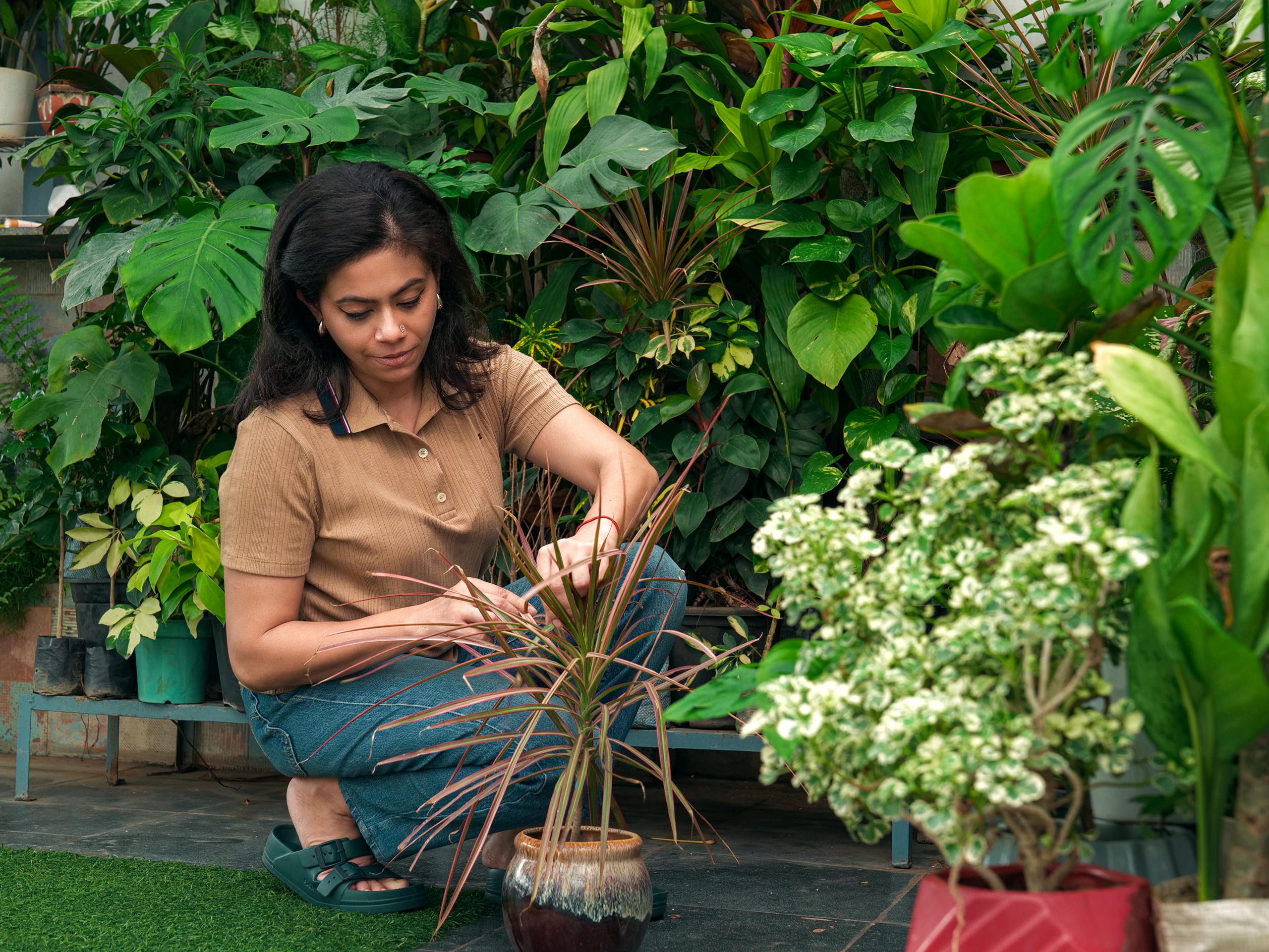

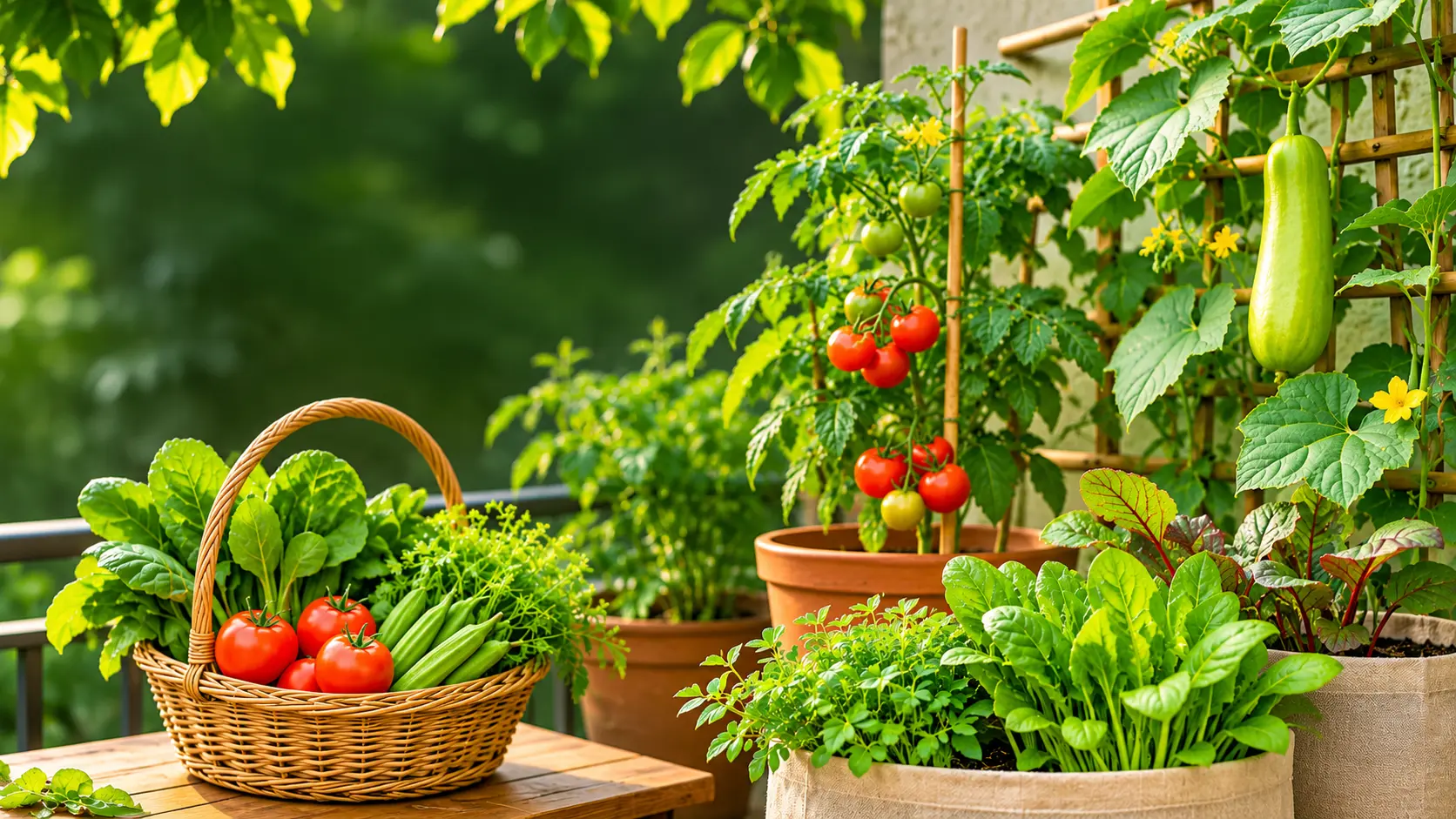
Imagine walking into your terrace or balcony, picking fresh tomatoes, plucking a few green chillies, and harvesting spinach for your next meal. Growing your own vegetables is not just rewarding; it is a wonderful way to bring nature closer to your everyday life.
You don’t need a large garden or a farmhouse to grow fresh vegetables. Even a small balcony, sunny terrace, windowsill, or a few grow bags can become a productive kitchen garden.
At Vanam House of Plants, we believe every home has a garden waiting to happen. With the right growing medium, sunlight, seeds, and a little patience, you can start growing vegetables at home while reducing your dependence on synthetic pesticides.
Let’s explore how to get started!
1. Why Grow Your Own Vegetables at Home?
Home gardening is about more than harvesting vegetables. It helps you understand where your food comes from and gives you greater control over how it is grown.
Here are some reasons to start a kitchen garden:
Fresh harvests: Pick vegetables when you need them instead of storing them for long periods.
Greater control over growing practices: Choose your compost, growing medium, and pest-management methods.
Less dependence on synthetic pesticides: Use preventive gardening practices and natural pest-management approaches.
Saves space: Grow vegetables in pots, containers, grow bags, and vertical gardening arrangements.
A rewarding hobby: Gardening encourages patience, observation, and a closer connection with nature.
2. Which Vegetables Can You Grow at Home?
You don’t need to grow dozens of vegetables at once. Start with a few that your family regularly uses in the kitchen.
Here are six beginner-friendly options.
Tomato
Tomatoes are among the most popular vegetables to grow in a home garden.
Grow them in a container with good drainage.
Provide around 6–8 hours of sunlight.
Use a stake or support as the plant grows.
Water consistently without keeping the soil waterlogged.
Tomatoes are versatile and can be used in salads, curries, soups, and everyday cooking.
Bhindi (Okra)
Bhindi is a rewarding warm-season vegetable for Indian home gardens.
Sow seeds directly into a reasonably deep pot or grow bag.
Choose a sunny location.
Avoid overcrowding the plants.
Harvest the pods while they are still tender.
Regular harvesting encourages the plant to continue producing pods.
Lauki (Bottle Gourd)
If you have a terrace or balcony with vertical space, lauki is worth considering.
Use a large container with good drainage.
Provide a strong trellis for the climbing vines.
Give the plant sufficient sunlight.
Water regularly, especially during warm weather.
A healthy vine can spread considerably, so plan its growing space before planting.
Khira (Cucumber)
Fresh cucumbers are excellent for salads and everyday meals.
Sow seeds in a large grow bag.
Provide a trellis to support climbing growth.
Maintain consistent soil moisture.
Harvest cucumbers regularly before they become overripe.
Good airflow and proper spacing can help reduce common fungal problems.
Palak (Spinach)
Palak is a practical choice for smaller gardens and containers.
Use a wide, shallow container.
Sow seeds with enough space for the plants to develop.
Keep the growing medium evenly moist.
Harvest outer leaves as they mature.
You can enjoy fresh leaves in dals, parathas, curries, and smoothies.
Methi (Fenugreek)
Methi is one of the easiest leafy vegetables to start growing at home.
Sow seeds in a shallow container.
Lightly cover them with growing medium.
Water gently.
Harvest the leaves when they are ready.
It is a good option for beginners who want to see results without waiting for a long growing cycle.
3. How to Prepare the Perfect Growing Medium
Healthy plants begin with healthy soil or growing medium. Even the best seeds may struggle if the roots don’t receive enough air, moisture, and nutrients.
For a basic container vegetable garden, you can prepare a growing mix using:
Garden soil: Provides the mineral base.
Vermicompost: Adds organic matter and nutrients.
Cocopeat: Helps retain moisture and improves the texture of the mix.
A simple starting mix is:
40% garden soil
30% vermicompost
30% cocopeat
Adjust the mixture according to your soil, container, and crop requirements. Make sure every container has drainage holes to prevent waterlogging.
4. How Much Sunlight Do Vegetable Plants Need?
Sunlight is essential for healthy vegetable growth.
Most fruiting vegetables, such as tomatoes, bhindi, cucumbers, and bottle gourds, need around 6–8 hours of direct sunlight.
Leafy vegetables such as palak and methi can often grow with somewhat less sunlight, although good light still helps them develop well.
Before planting, observe your balcony or terrace throughout the day. Choose a location that receives suitable sunlight for the vegetables you want to grow.
5. How to Protect Your Vegetable Garden Without Chemical Pesticides
One of the biggest concerns for beginners is dealing with insects and plant diseases.
However, seeing an insect in your garden doesn’t automatically mean you need to spray something. Many insects are harmless or beneficial.
Here are some preventive practices:
Inspect Your Plants Regularly
Check the leaves, stems, and underside of leaves for insects, eggs, unusual spots, or damage. Early detection makes problems easier to manage.
Maintain Proper Spacing
Avoid overcrowding your plants. Good airflow helps reduce moisture-related fungal problems.
Remove Damaged Leaves
Remove heavily damaged or diseased plant parts where appropriate. Dispose of diseased material rather than leaving it around healthy plants.
Encourage Beneficial Insects
Ladybirds, bees, and other beneficial insects play important roles in a garden. Grow suitable flowering plants and avoid unnecessary broad-spectrum insecticides.
Use Neem-Based Products Carefully
Neem-based garden products can help manage certain pests. Always follow the product label, use the recommended concentration, and test on a few leaves first. Avoid spraying flowering plants when pollinators are active.
Remember: Natural does not automatically mean harmless. Prevention, observation, and correct identification of pests are more useful than spraying unverified home remedies.
6. Watering Your Vegetable Garden the Right Way
Watering is one of the most important parts of vegetable gardening.
Too little water can stress plants, while excessive watering can cause root problems.
Follow these simple practices:
Check the moisture in the growing medium before watering.
Water near the base of the plant.
Prefer morning watering.
Ensure containers drain properly.
Adjust watering according to the weather and plant growth.
Different vegetables have different water requirements, so observe your plants instead of following a fixed watering schedule.
7. Common Mistakes Beginners Should Avoid
If you are starting your first kitchen garden, avoid these common mistakes:
Using very small pots: Roots need enough room to grow.
Overwatering: Constantly wet soil can damage roots.
Ignoring sunlight: Insufficient light can result in weak growth.
Planting too many seeds together: Overcrowding creates competition for nutrients and space.
Using fresh, uncomposted manure: It can harm plants and create other problems.
Applying pesticides without identifying the pest: Unnecessary spraying can harm beneficial insects.
Start with a few plants, learn from them, and gradually expand your garden.
8. Start Your Own Kitchen Garden with Vanam
Growing vegetables at home may seem complicated when you are starting out, but it becomes easier with practical guidance and experience.
At Vanam House of Plants, we encourage people to discover the joy of gardening through learning, practical guidance, and gardening essentials.
Whether you want to grow vegetables on your terrace, create a balcony garden, or begin with a few pots, you can take the first step today.
You don’t need a perfect garden to begin. You just need a little space, the willingness to learn, and the patience to let things grow.
Every home has a garden waiting to happen. Let’s grow yours!
Explore Vanam’s gardening resources, courses, seeds, and gardening essentials to begin your journey.
Frequently Asked Questions
1. Can I grow vegetables at home without a garden?
Yes. You can grow many vegetables in pots, grow bags, and containers on balconies, terraces, and other sunny spaces.
2. Which vegetables are easiest for beginners?
Methi, palak, bhindi, and tomatoes are useful starting options, depending on your climate, available sunlight, and growing space.
3. Can I grow vegetables in pots?
Yes. Choose containers with suitable depth, sufficient space for roots, and proper drainage. Fruiting vegetables generally need larger containers than leafy greens.
4. How can I protect vegetables from pests naturally?
Start with regular inspection, proper spacing, removal of affected plant parts, and encouraging beneficial insects. Use suitable pest-management products only when needed and according to their instructions.
5. How long does it take to grow vegetables at home?
It depends on the vegetable, growing conditions, and variety. Methi and some leafy greens can be harvested relatively quickly, while tomatoes and gourds generally need a longer growing period.
Final Thoughts
A kitchen garden is a small step towards a greener and more mindful lifestyle. Start with vegetables you love eating, learn how to care for them, and enjoy the satisfaction of harvesting something you have grown yourself.
Happy Gardening! 🌱